Better Battery Life, More Performance, and Quieter Fans
Authors:
Ryan Shrout
Matthew Connatser
November 2, 2026
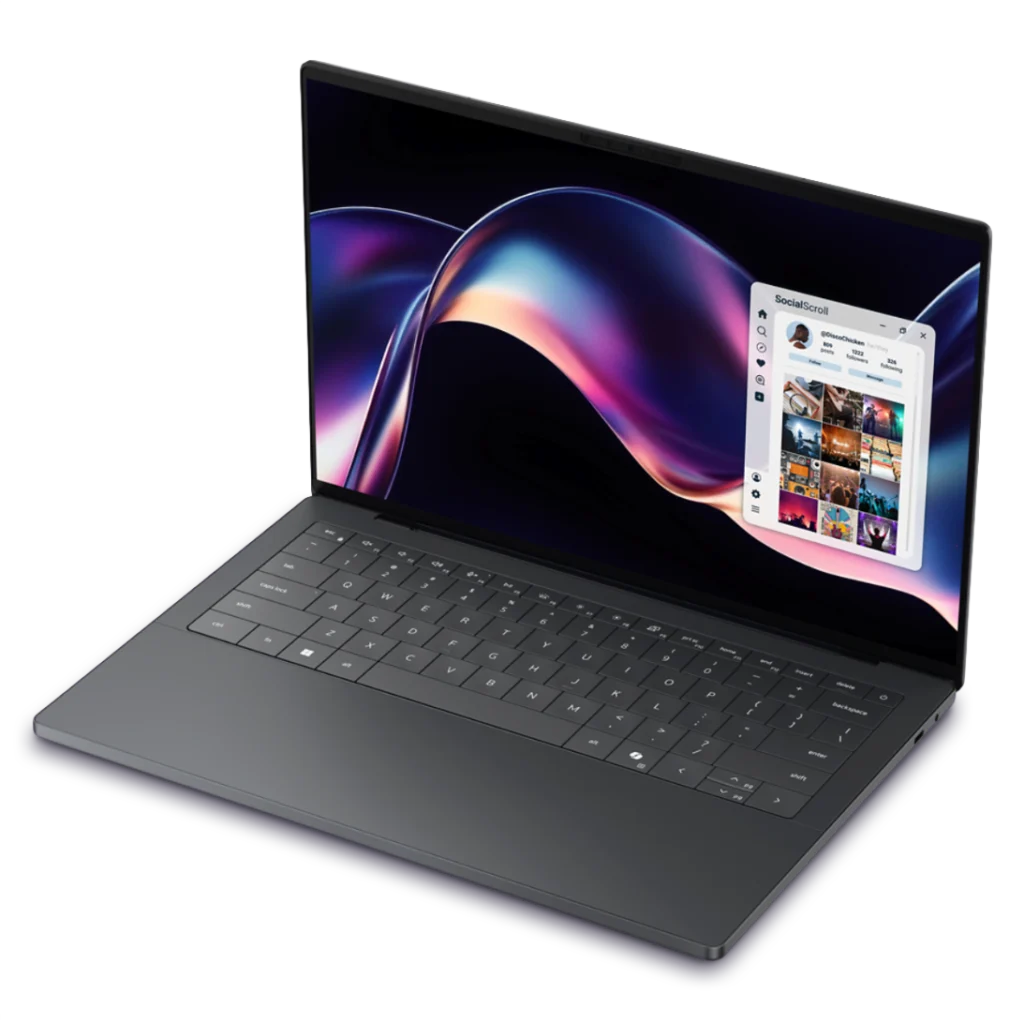
After a brief absence in 2025, Dell relaunched the XPS brand at CES 2026 to a very positive reception. The return of Dell’s high-end laptop line coincided with the release of Intel’s Core Ultra Series 3 processors, built on the Panther Lake architecture, which powers every 2026 XPS 14 model. The XPS 14 we are evaluating in this Signal65 Lab Insights report is the mid-size product in the line, and the one most likely to be carried everywhere.
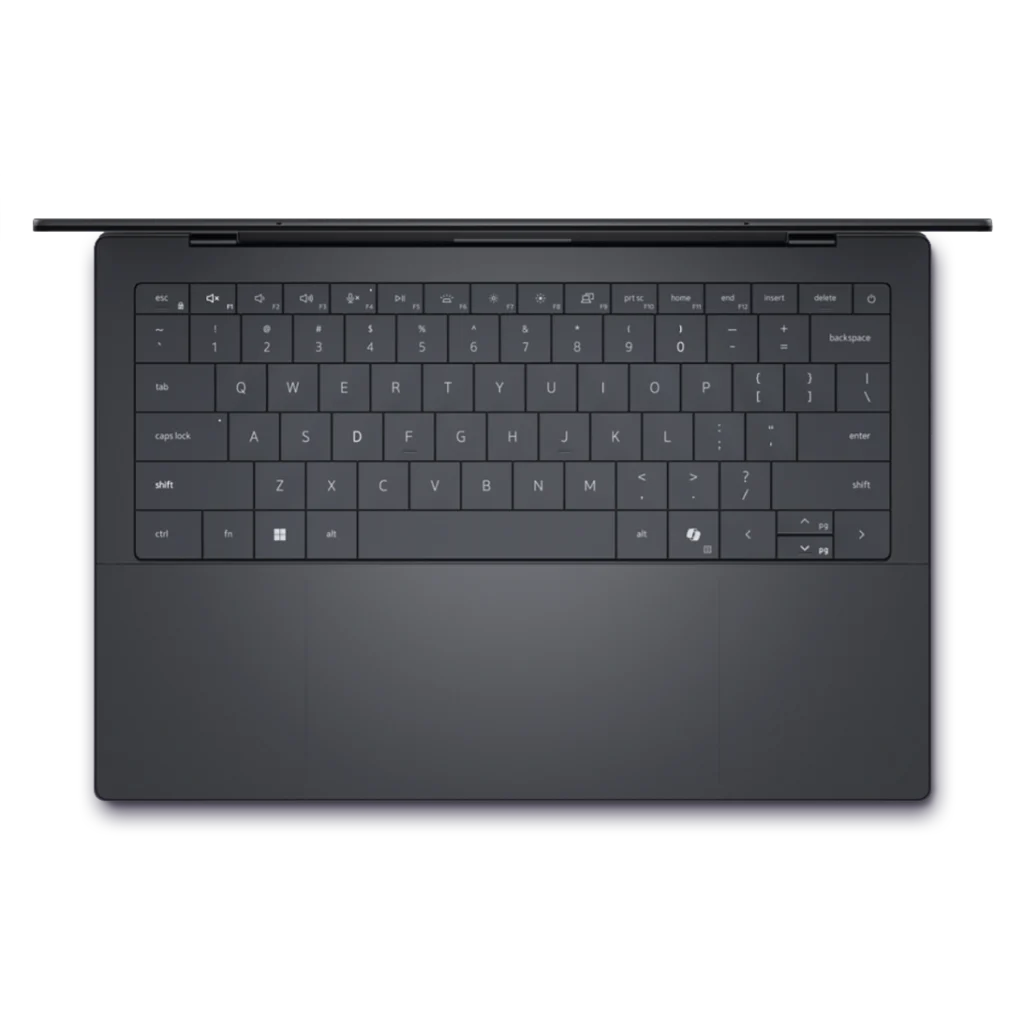
The XPS 14 is a premium 14-inch consumer laptop built around a thin and light chassis, a choice of 2.8K OLED touch or 2K LCD display, and a choice of five Intel Core Ultra Series 3 processors, from the Core Ultra 5 325 up to the Core Ultra X9 388H. We tested the two Core Ultra X processors, the X7 358H and the X9 388H, each with 16 cores, Arc B390 graphics, and an integrated NPU. The configurations we tested have 32 GB of LPDDR5X-9600 memory and a 1 TB SSD, three Thunderbolt 4 ports and a universal audio jack, and a chassis that weighs 3.00 lb (1.36 kg) and measures 14.62 mm (0.58 in) at its thickest point with the OLED display and 15.20 mm (0.60 in) with the LCD.
Dell tuned the XPS 14 for the way a 14-inch laptop is used, off the charger, in the power mode it shipped in, moving between rooms and meetings. Peak processor wattage is one number on a specification sheet, and the user experience is what this report attempts to measure. Signal65 tested three XPS 14 configurations against a leading 14-inch competitor with the same Core Ultra X9 388H, the same memory capacity, and the same graphics, so the differences in the results come from OEM and platform engineering rather than from the chip. Because the XPS 14 is sold in several configurations, this report also measures what the display and processor choices cost and return.
Key Findings:
On battery in the default Balanced mode, the XPS 14 with the Core Ultra X9 388H was 18% faster in Procyon Office, 14% to 24% faster in the browser, and 28% faster single-threaded than a leading 14-inch competitor with the same processor.
Unplugging cost the XPS 14 1% to 4% of its performance in Essentials and the web tests. The competitor gave up 13% to 19%, and 30% in Office and single-threaded work.
The XPS 14 X7 358H with the LCD display ran 27 hours 40 minutes of Office productivity, 64% longer than the competitor on a smaller battery, and was still 7% to 17% faster than the competitor on battery.
On the same processor, the LCD display delivered 70% more Office runtime than the OLED with performance within 5%, and the Core Ultra X9 388H added 4% to 7% over the X7 358H in every workload.
Every XPS 14 configuration led the competitor by 8% to 17% in 3DMark Steel Nomad Light on the same Arc B390 graphics.
Under a sustained all-core load in the Best Performance mode, the XPS 14 keyboard deck peaked 2.5 to 4.6 degrees Celsius cooler than the competitor and kept the heat out of the keys, at the same fan noise level.
The competitor’s OLED runs longer in a rundown by giving up 30% of its CPU performance on battery. Dell kept the performance the user feels, and the LCD configuration delivers the longest battery life we tested without giving up any of that performance.